
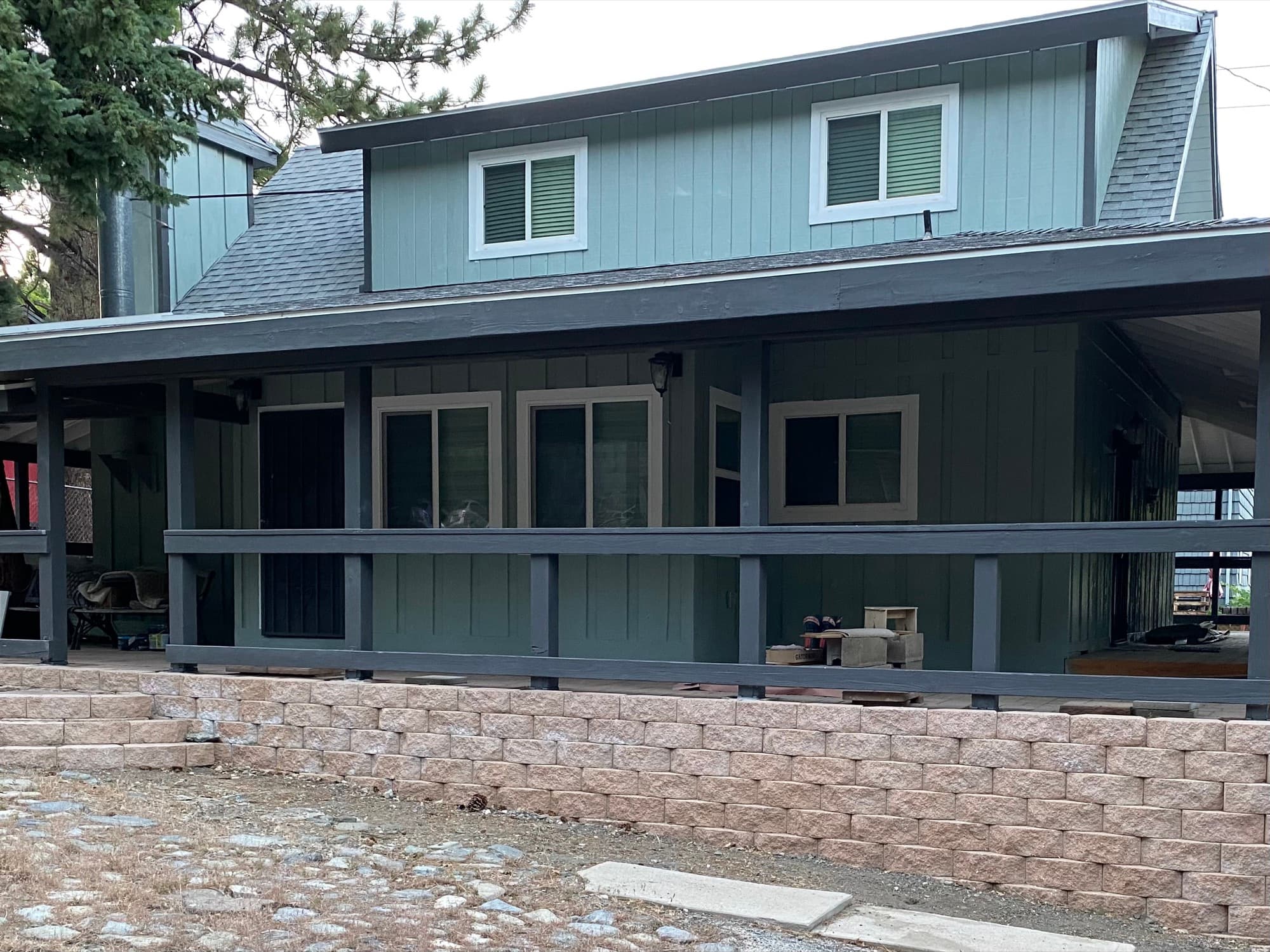
We have grown used to things that are built to be replaced. Across nearly every industry, products are engineered to work just well enough, for just long enough, to bring you back. The painting trade has its own quiet version of this calculus — and most homeowners never hear it spoken out loud.
Some contractors, though, have been remarkably candid about the logic. Do too good a job, the thinking goes, and you have painted yourself out of a customer. A finish that lasts just long enough to satisfy the client gets you called back in five to ten years to do the whole thing over again.
You don’t want to do too good of a job.
That this thinking exists at all — let alone gets said aloud — is a disservice to homeowners and an embarrassment to the craft. Here is the truth it works to obscure: a properly executed exterior should last a minimum of ten years, and many go fifteen before they need a full repaint. That is not an ambitious target. It is simply the baseline of work done correctly from the start.
Why so many jobs fail early
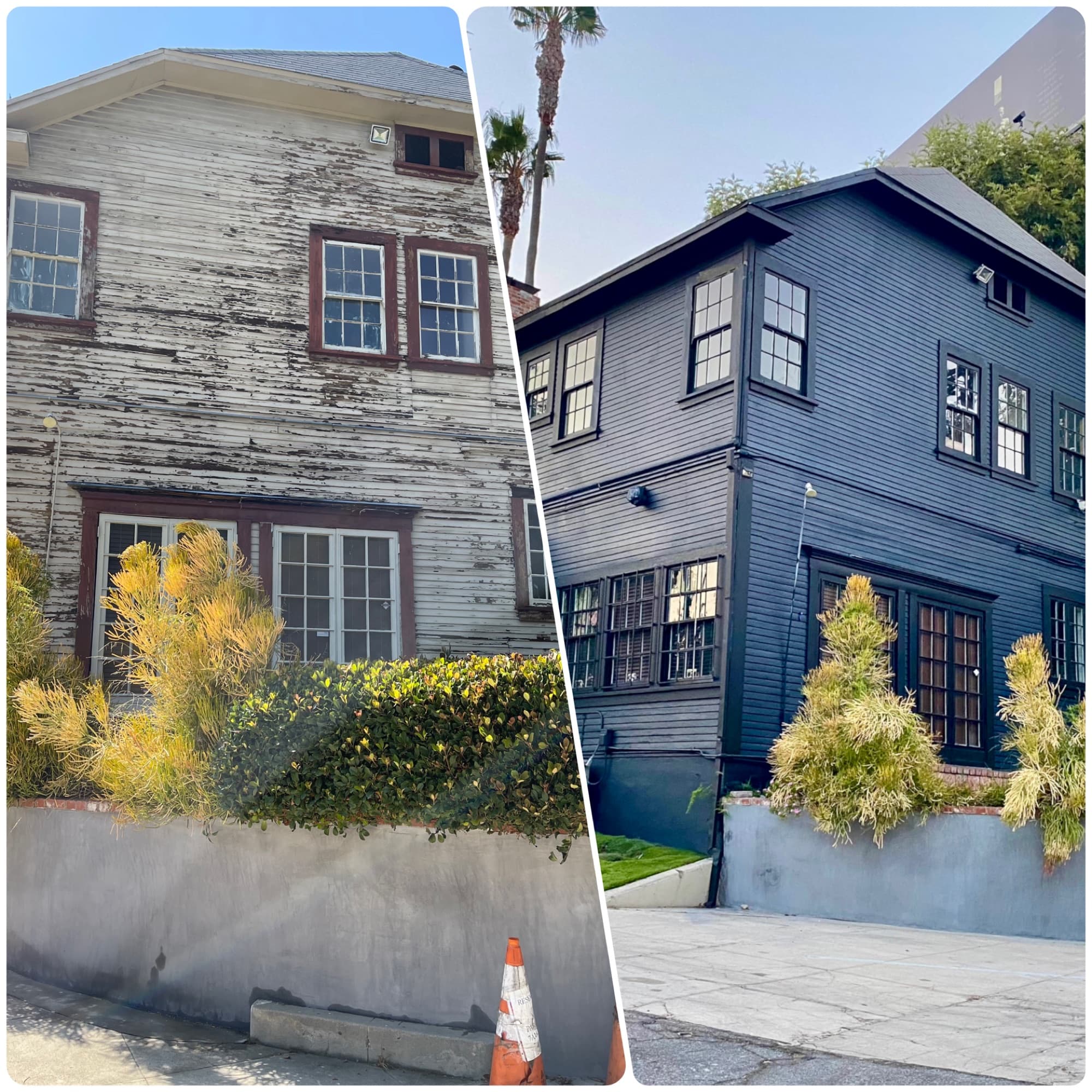
Premature failure is almost always a preparation failure, not a paint failure. When surfaces are not properly cleaned, when damaged substrates are painted over instead of repaired, when primer is skipped, when a single thin coat is laid down and called finished — the job was never going to hold. The paint takes the blame. But the outcome was decided before the first drop went on.
What a proper job actually looks like
It starts with an honest assessment of every surface to be painted. Anything damaged, rotted, or deteriorated is repaired or replaced before a brush touches it. Paint is a protective finish, not a repair material — it cannot rescue a surface that has already gone.
From there, a high-quality primer matched to the surface. Primer is not optional, and it is not cheap paint pressed into service as a base coat. It is the adhesion-and-sealing layer that decides how well everything above it performs over time.
Then two or more coats of a premium finish — not builder-grade, not mid-shelf, but a true top-tier exterior paint with the UV resistance, flexibility, and film build to stand up to years of weather. Film thickness matters enormously, and a single coat simply does not provide it.
The bottom line
There is no good reason a well-prepped, properly primed, quality-painted exterior should need repainting in five years. Or even seven. When the work is done right — surfaces sound, primer applied, premium paint laid on in multiple coats — ten to fifteen years is not optimistic. It is what you should expect.
Homeowners who understand this are in a far stronger position: to ask the right questions before signing a contract, to hold a painter to a real standard, and to recognise when they are being quietly set up for a repeat they should not need for a long time.
The ten-to-fifteen-year standard is not exceptional. It is what honest, careful work produces.
I’d rather lose your repeat business than do the kind of work that guarantees it. If your last exterior didn’t last, I’m happy to come look at it and tell you honestly why.
Paul Zappala
Founder, PZ Painting